
Before purchasing a home in Tucson or its surrounding areas, it is essential to schedule a buyer’s home inspection. This inspection is crucial in uncovering hidden issues that could lead to expensive repairs if left undetected. Beyond financial considerations, the home inspector also identifies safety hazards that could pose risks to you, your family, or your visitors.
By conducting a thorough inspection, you gain a comprehensive understanding of the property’s condition. This knowledge empowers you to make informed decisions about the purchase, negotiate with the seller based on factual findings, and prioritize any necessary repairs or improvements. Ultimately, investing in a buyer’s home inspection ensures that your new home is not only a sound financial decision but also a safe and secure environment for everyone who lives there.
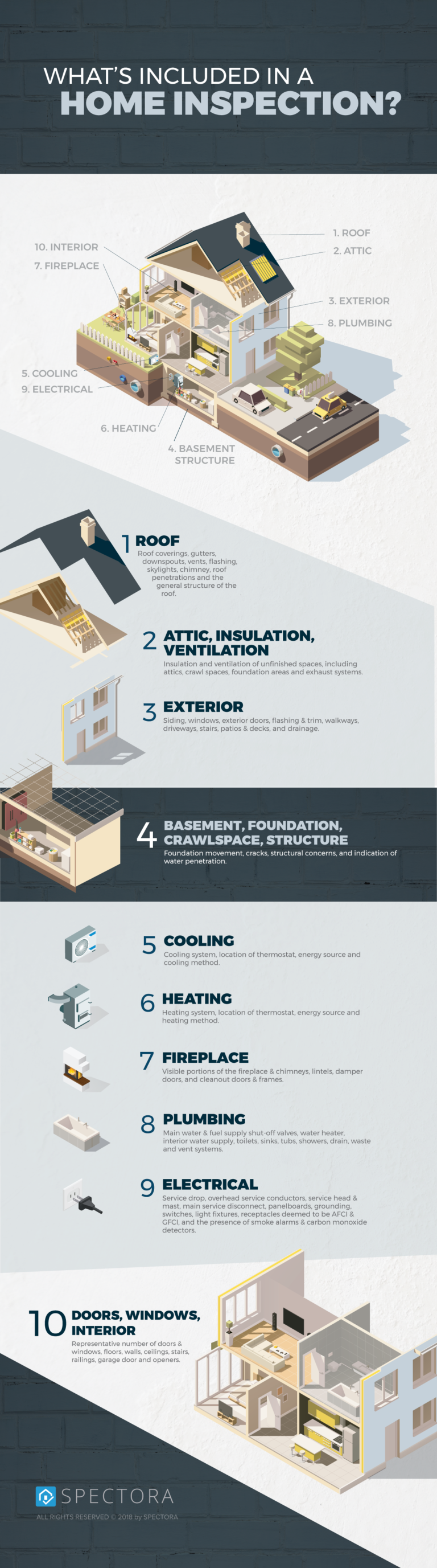
What is included in your inspection?
A home inspection is a comprehensive assessment performed by a qualified inspector to evaluate the condition of various components and systems within a residential property. Here’s an overview of what typically gets inspected:
Roof
The inspector examines the roof's structure, shingles or tiles, flashing, gutters, downspouts, and other related components.
Exterior
This includes inspection of walkways, doors, siding, eaves, soffits, fascia, paint, and other exterior elements of the home.
HVAC Systems
The inspector visually inspects heating, ventilation, and air conditioning systems, including ducts, filters, furnaces, and air conditioning units.
Plumbing
Inspection covers plumbing fixtures such as tubs, sinks, hoses, showers, and water shut-off valves, checking for leaks and proper functionality.
Electrical Systems
Both interior and exterior electrical systems are inspected, including service drops, masts, grounding, outlets, meters, and circuit breakers.
Appliances
Major appliances like water heaters, washers, dryers, dishwashers, refrigerators, and freezers are tested and examined.
Doors, Windows & Interior
Doors and windows are checked for proper sealing, drafts, and signs of mold or water damage. The condition of interior spaces is also assessed.
Foundations, Basements, & Crawl Spaces
Inspection involves examining the foundation for cracks or shifting, assessing crawlspaces and basements for signs of water damage or structural issues.
Attic, Ventilation & Insulation
The attic is inspected for proper ventilation, mold, moisture, and insulation levels are evaluated to ensure energy efficiency and prevent potential issues.
Overall, a home inspection aims to provide the buyer with a detailed report on the condition of the property, highlighting any existing problems or areas that may require attention. This information is crucial for making informed decisions about purchasing the home and negotiating with the seller.
